“natural environment” search results (3000)

Coffee culture environment
Coffee is not only one of the most popular drinks in the world, but also one of the most traded products in the world. I've been writing a book about coffee recently, but I've been hesitant: I don't know how many coffee consumers really want to know about the things behind coffee.
2014-08-06 Coffee culture coffee encyclopedia coffee environment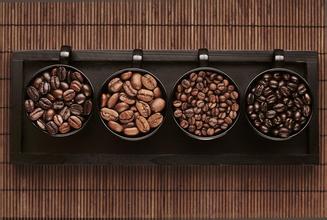
Colombian coffee growing environment
The suitable climate in Colombia provides a real natural pasture for coffee. Coffee trees in Colombia are mainly cultivated in the Andes, on steep slopes about 1300 meters above sea level, where the annual temperature is about 18 degrees Celsius, annual rainfall is 2000 to 3000 millimeters, latitude 1-11 15 north, longitude 72-78 west, and the specific range of elevation can exceed 2.000 meters. By
2016-05-31 Colombia coffee planting environment suitable climate available
Colombian coffee growing environment
The suitable climate in Colombia provides a real natural pasture for coffee. Coffee trees in Colombia are mainly cultivated in the Andes, on steep slopes about 1300 meters above sea level, where the annual temperature is about 18 degrees Celsius, annual rainfall is 2000 to 3000 millimeters, latitude 1-11 15 north, longitude 72-78 west, and the specific range of elevation can exceed 2.000 meters. By
2016-06-02 Colombia coffee planting environment suitable climate available
Boutique coffee beans the best production environment for Hawaiian Kona coffee
Hawaiian Kona coffee mellow and sour coffee beans, unique growth and climatic environment make Hawaii Kona perfect flavor: Hawaiian beach, monsoon and volcanic flavor. Kona coffee beans produced in Hawaii are the most beautiful coffee beans in the world. They are extremely full and shiny. Kona coffee beans are evenly shaped, strongly sour and sweet, and taste wet and smooth.
2015-12-16 Boutique Coffee beans Hawaii Kona Coffee Best production Environment
Introduction of Coffee Bean growing area in Colombia
In the mountains southwest of Medellin in Antioquia, Colombia, there is a city called Hughton Boliwal, which has a unique greenhouse-like natural environment. It allows people here to inherit and share the traditional harvest of this environment for generations. Mountain。 The Farrows of Benado is a place where the best and highest quality coffee products can be grown, in this soil.
2016-06-15 Colombia coffee beans growing areas introduction Antioch Ogi Asia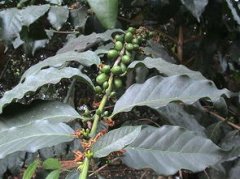
Coffee growing environment Guatemala coffee growing environment
Faced with severe landscape changes and shrinking habitats, more than 90 species of migratory birds have found refuge in shaded trees. In early autumn (north temperate zone), birds such as Nashville warbler (Vermivoraruficapilla), wide-winged eagle (Buteo swordfish), crested flycatcher (Myiarchuscrinitus), lovely summer Donna Finch (Piranga bayberry), Raptors and others frequently shadow coffee.
2015-03-13 Coffee planting environment Guatemala facing serious changing landscape constant small
The story of Hawaiian coffee beans the characteristics of Hawaiian coffee beans the growing environment of coffee beans
Hawaiian Coffee Kona coffee beans from Hawaii have the perfect appearance, and their fruit is extremely full and shiny. The taste of coffee is rich and aromatic, with cinnamon flavor, and the acidity is well balanced. Hawaiian coffee is the only top variety produced in 50 states in the United States, and the United States is naturally the largest market for Kona coffee, which is grown in summer.
2016-04-27 Hawaii Tourism Coffee profile Coffee beans characteristics growth Environment
The growing environment of Colombian coffee beans
The suitable climate in Colombia provides a real natural pasture for coffee. Coffee trees in Colombia are mainly cultivated in the Andes, on steep slopes about 1300 meters above sea level, where the annual temperature is about 18 degrees Celsius, annual rainfall is 2000 to 3000 millimeters, latitude 1-11 15 north, longitude 72-78 west, and the specific range of elevation can exceed 2.000 meters. By
2016-06-02 Colombia coffee beans planting environment suitable climate coffee ti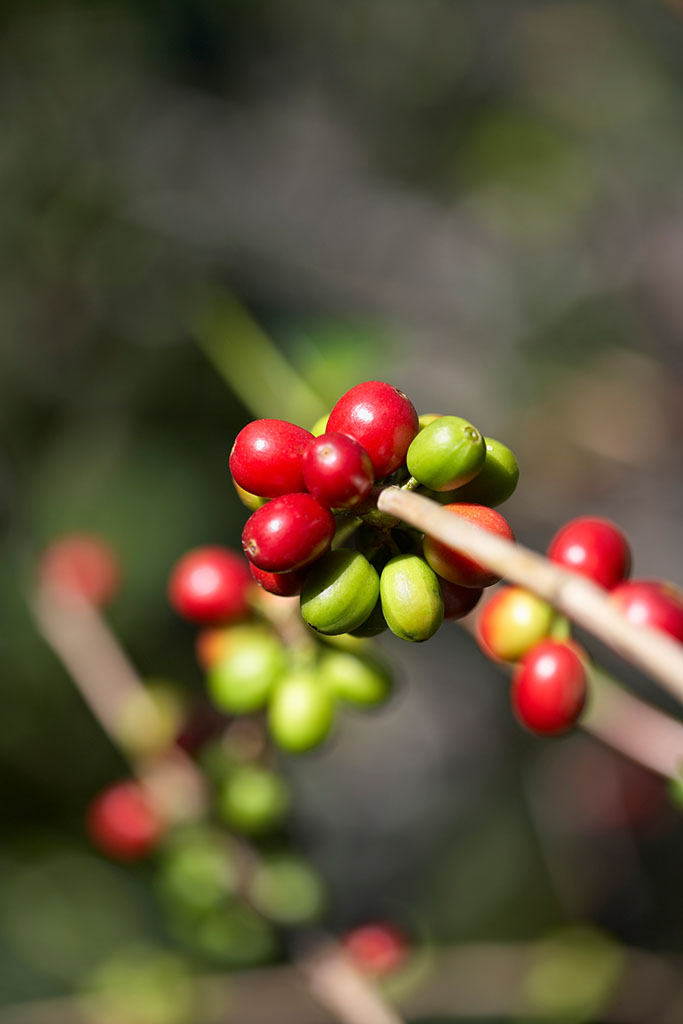
Resa Cooperative Addis Katema Cooperative Vina Gor Ethiopian Coffee
The coffee garden with an elevation of more than 1500 meters has formed a unique coffee style after more than a thousand years of evolution and adaptation. Ethiopian coffee grown in the natural wild environment is called wilderness coffee, which retains the most primitive and natural taste of coffee beans and has the most direct and full expression of the local environment. Production area of Resa Cooperative (1000-1400 m): Gedeo-Wenago Wei
2016-07-23 Resa co-op Addis Katema Vina Ethel Cy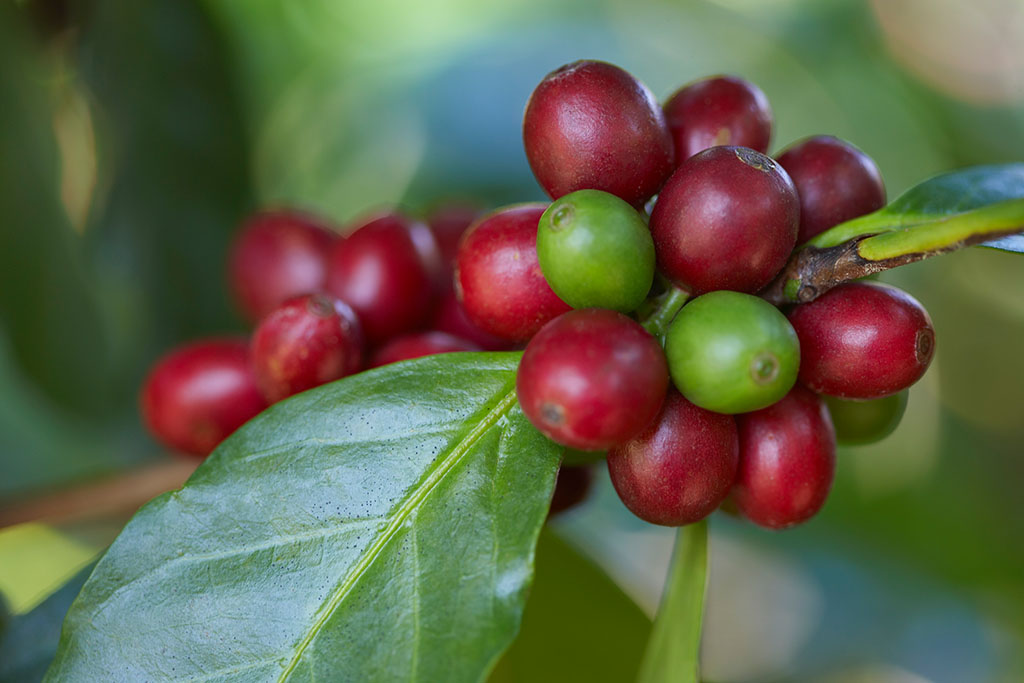
Hafursa Cooperative Yega Xuefei African Fine Coffee native coffee species of Ethiopia
The coffee garden with an elevation of more than 1500 meters has formed a unique coffee style after more than a thousand years of evolution and adaptation. Ethiopian coffee grown in the natural wild environment is called wilderness coffee, which retains the most primitive and natural taste of coffee beans and has the most direct and full expression of the local environment. Hafursa cooperative (1750-2300 meters) belongs to the producing area: Gedeo- Yega
2016-07-23 Hafursa Cooperative Yega Sheffield Africa boutique Coffee Ethel
Differences in Ethiopian coffee
A large amount of coffee production (95%) is done by small shareholders, with an average yield of 561 kg per hectare. For centuries, minority holders of Ethiopian coffee farms have been producing a variety of high-quality types of coffee. The secret of producing high-quality coffee is that coffee growers have developed environmental conditions through generations of repeated learning about the coffee planting process.
2016-05-31 Ethiopia coffee difference mass production 95% all by shares.
Coffee Flavor description of Ethiopian Coffee Manor Coffee Flavor description of roasting degree Price planting Environment
Ethiopian coffee beans grow in close to the natural environment, after years of planting under the same growth conditions, Ethiopian coffee beans have gradually adapted to the environment here. More than 60% of coffee beans are grown in forests or semi-forests. Large-scale coffee-growing villages account for about 35% of the country's total coffee production. Many of these are used.
2016-10-14 Ethiopia coffee manor flavor description roasting degree price planting
Introduction to the growing environment of Hawaiian coffee in the United States
Kona coffee is grown on the slopes of Mauna Roa volcano on the southwest coast of Hawaii. In terms of flavor, Kona beans are closer to Central American coffee than Indonesian coffee. Its average quality is very high, carefully handled, medium texture, good sour taste, very rich flavor, and fresh Kona coffee is extremely fragrant. If you think your coffee is too thick and African
2016-06-18 United States Hawaii coffee growth environment introduction boutique Kona cultivation
Coffee growing Environment in Colombia Coffee Water Distribution Network cleaning
The suitable climate in Colombia provides a real natural pasture for coffee. Coffee trees in Colombia are mainly cultivated in the Andes, on steep slopes about 1300 meters above sea level, where the annual temperature is about 18 degrees Celsius, annual rainfall is 2000 to 3000 millimeters, latitude 1-11 15 north, longitude 72-78 west, and the specific range of elevation can exceed 2.000 meters. By
2016-06-07 Colombia coffee planting environment water net cleaning suitable climate
El Salvador coffee growing environment
In the 19th century, coffee was an important cash crop in El Salvador, and the government legislated to collect taxes and encourage cultivation for export; although the coffee farmers in El Salvador did not receive technical or financial assistance, they were outstanding among many coffee-producing countries in terms of the growth of production per hectare. Coffee's output value is like a locomotive, which has great influence on the infrastructure construction and light industry development of Saudi Arabia.
2016-06-13 El Salvador Coffee Cultivation Environment Introduction 19th Century Salva Multi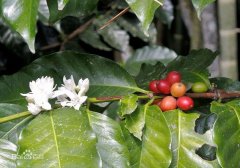
Coffee bean growing environment boutique coffee Hawaii Kona Colombian coffee beans
The suitable climate in Colombia provides a real natural pasture for coffee. Coffee trees in Colombia are mainly cultivated in the Andes, on steep slopes about 1300 meters above sea level, where the annual temperature is about 18 degrees Celsius, annual rainfall is 2000 to 3000 millimeters, latitude 1-11 15 north, longitude 72-78 west, and the specific range of elevation can exceed 2.000 meters. By
2016-04-22 Coffee beans planting environment boutique coffee Hawaii Kona Colombia Goran
Growing environment in the Andes, a coffee-growing region in Colombia
The suitable climate in Colombia provides a real natural pasture for coffee. Coffee trees in Colombia are mainly cultivated in the Andes, on steep slopes about 1300 meters above sea level, where the annual temperature is about 18 degrees Celsius, annual rainfall is 2000 to 3000 millimeters, latitude 1-11 15 north, longitude 72-78 west, and the specific range of elevation can exceed 2.000 meters. By
2016-06-17 Colombia coffee producing areas Andes mountains cultivation environment suitable
The living Environment of Coffee in Hawaii Coffee producing areas on the Southwest Coast of Hawaii
Kona coffee, grown on the slopes of Mauna Roa volcano. In terms of flavor, Kona beans are closer to Central American coffee than Indonesian coffee. Its average quality is very high, carefully handled, medium texture, good sour taste, very rich flavor, and fresh Kona coffee is extremely fragrant. If you think your coffee is too thick, African coffee is too sour, medium
2016-06-17 Hawaii Coffee Survival Environment introduction South Bank producing area Kona planting
Ethiopian Coffee processing in Ethiopian Coffee producing areas
A large amount of coffee production (95%) is done by small shareholders, with an average yield of 561 kg per hectare. For centuries, minority holders of Ethiopian coffee farms have been producing a variety of high-quality types of coffee. The secret of producing high-quality coffee is that coffee growers have developed environmental conditions through generations of repeated learning about the coffee planting process.
2016-05-24 Ethiopia coffee producing area treatment mode mass production 95%
Introduction of Nicaraguan coffee with a unique environment and fertile volcanic soil
Madriz is an ecological coffee with a very hard shell. In the pure natural planting environment, it uses more complex operations to maintain the delicate aroma and taste of the coffee; it is produced in northern Nicaragua between Matagalpa and Jinotega, with an average annual rainfall of 1500-1700mm and a temperature of 20-29 degrees Celsius. All use manual selection of coffee.
2016-06-24 Have Tiandu thick environment all over fertile volcano soil Nicaragua coffee